
Vacation rental journal
Environmental Equipment Rental in the US: A Fieldwork Checklist
Renting environmental equipment starts with a sampling question: what must the team measure, where, and to what standard? Soil sampling, groundwater monito
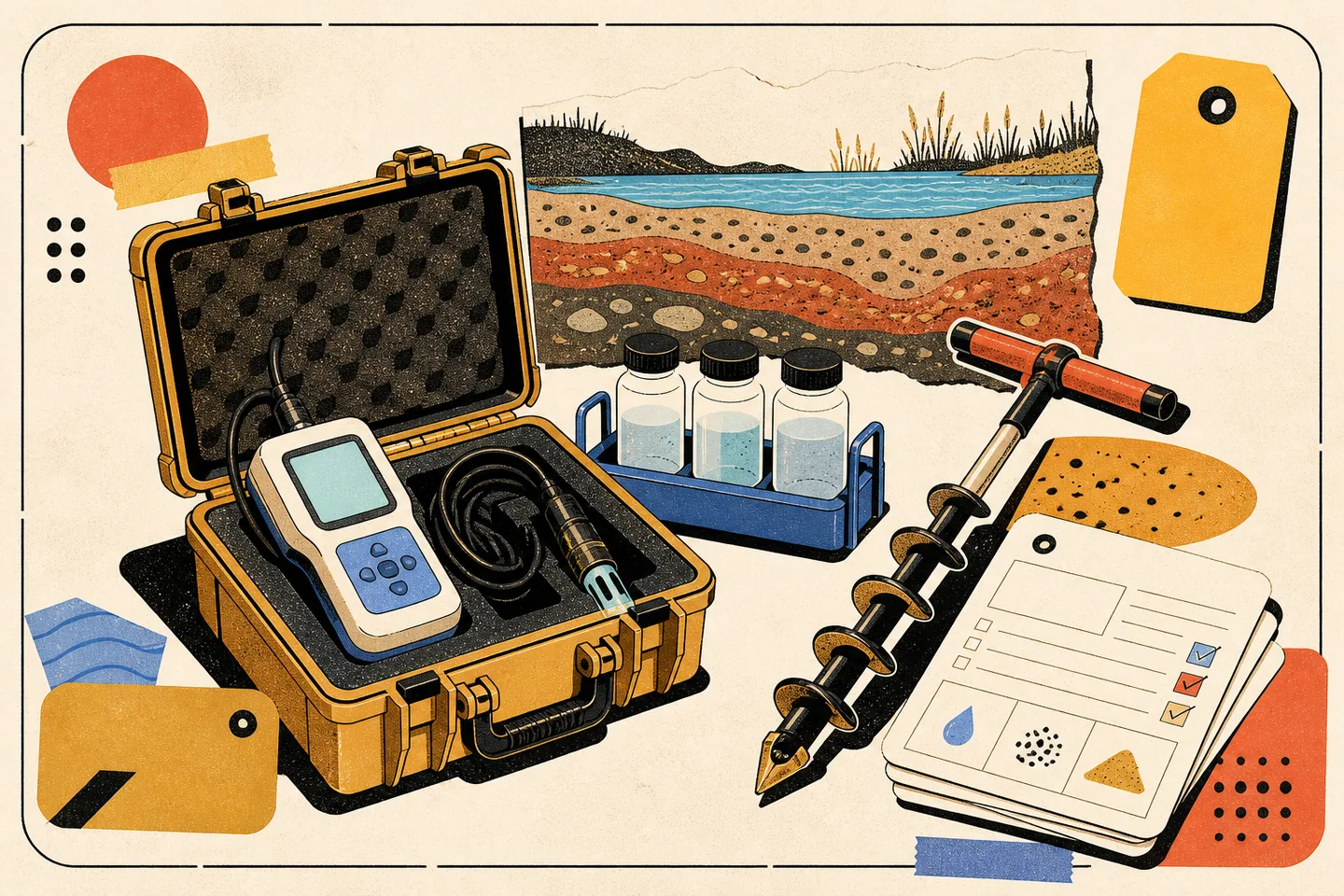
Renting environmental equipment starts with a sampling question: what must the team measure, where, and to what standard? Soil sampling, groundwater monitoring and air screening need different tools. An instrument that is available for the required dates may still have the wrong range, materials or accessories for the method.
Prepare an equipment brief before requesting availability. Include the sampling medium, target parameters, method, site conditions, dates and operator experience. Use it to check the proposed equipment against the sampling and analysis plan, with unresolved technical questions referred to the project lead.
Define the purpose of each measurement
Decide whether the work is intended to locate contamination, compare conditions between locations, monitor treatment or collect samples for laboratory analysis. That purpose determines sampling locations, detection requirements and the records needed to interpret results.
Keep field screening separate from laboratory analysis. A screening reading may help select a sampling location without providing enough evidence for a final decision. Establish what each measurement can support before fieldwork begins, including when a laboratory result will be needed.
EPA’s overview of characterization and monitoring technologies is a useful starting point for understanding that broader context. Use general guidance to inform planning, then check the requirements of the actual project.
Match tools to the medium and method
Specify the material being sampled and the conditions at the sampling point. Shallow soil, sediment, groundwater and waste streams differ in accessibility and handling requirements. A tool must collect the intended material without introducing contamination or changing the properties being measured.
- Soil: confirm sampling depth, ground conditions, required sample volume and whether liners or dedicated tools are specified.
- Groundwater: check well dimensions, water depth, pump compatibility, tubing and any flow-control requirements.
- Surface water and sediment: account for access, water depth, current and disturbance of the sampling location.
- Air monitoring: confirm the target parameter, measurement range and whether the instrument is intended for screening, sampling or safety monitoring.
The EPA RCRA Waste Sampling Draft Technical Guidance also notes that every sampling situation is unique. Check its applicability with the technical lead; a general equipment description cannot establish suitability for a particular method.
For a pump rental, for example, a compatible pump alone does not complete the setup. The team also needs suitable tubing, connections, power and any specified flow-measurement equipment. Review the assembled system rather than approving each item independently.
Plan sample handling with the laboratory
Confirm containers, sample volumes, preservation, holding times and delivery arrangements before ordering equipment. These details affect the field schedule and the supplies required. Avoid substitutions unless the method and project lead permit them.
The EPA Contract Laboratory Program Guidance for Field Samplers also connects equipment selection with sample collection, identification, packaging, shipping, and custody records. Treat those steps as part of the equipment brief, rather than leaving them until samples have been collected.
Allocate responsibility for labels, field notes, custody records and dispatch. A sample identifier should connect the container to its location, collection time and requested analysis. Check that the laboratory can receive the planned shipment and that packaging supplies are ready before departure.
Control contamination between locations
Check the materials that will contact the sample, including tubing, liners, fittings and collection tools. Their suitability depends on the sample matrix and target substances. Ask how reusable equipment was cleaned and whether it can undergo the project's specified decontamination procedure.
Separate clean equipment from used equipment during transport and fieldwork. Plan where cleaning will take place and how wash water, disposable materials and contaminated items will be contained. Equipment return instructions should be clarified before use, particularly where contamination may remain.
The same guidance notes that the analytical protocol and sample matrix can determine the appropriate container type and volume. Include method-specified blanks and other quality-control supplies in the packing list; do not assume they come with the main rental.
Check calibration and instrument condition
Request the instrument identifier, operating instructions and relevant service or calibration records. Check that the range and detection capability match the task. A service certificate is useful documentation, but it does not replace the field checks required by the method.
Identify who will perform calibration or verification, which materials are needed and how results will be recorded. The procedure should define acceptable checks and the response to a failure. Resolve these details before the instrument leaves for the site.
Inspect the equipment on receipt. Look for damaged cables, missing connectors, worn seals and incomplete accessories. Charge batteries, assemble the intended setup and run the prescribed checks while there is still time to resolve a fault or missing part.
For logging instruments, confirm the clock, units, recording interval and export format. Test that a file can be transferred and read. Record the instrument identifier alongside the data so later reviewers can connect readings with calibration and field records.
Check site constraints and operator readiness
Assess equipment selection within the site's health and safety plan. Access, unstable ground, traffic, water, weather and potentially hazardous atmospheres can affect both the work method and the equipment required. Operating instructions alone do not establish that a task is safe.
Confirm who is competent to operate each item and who can decide whether conditions require work to stop. Where specialist equipment or training is needed, resolve that requirement through the project lead before arranging the rental.
Check practical constraints such as carrying distance, equipment weight, available power and protection from moisture or dust. A setup tested indoors may be awkward to move or power at the sampling location. Account for those conditions in the equipment brief.
Compare the complete rental scope
Compare written equipment lists rather than headline descriptions. Establish what is supplied, what must be purchased separately and what the team already holds. Confirm these points without assuming that different providers offer the same arrangements:
- The proposed instrument, range and complete accessory list.
- Consumables, calibration materials, batteries and chargers.
- Instructions, service records and available technical support.
- Dispatch, receipt and return arrangements.
- Cleaning expectations and procedures for reporting contamination.
- The process for reporting faults or requesting replacement equipment.
Plan for failures according to their consequences. Spare batteries may address a power interruption, while an instrument fault could require replacement equipment or a revised field schedule. Confirm any replacement arrangement directly rather than treating it as included.
Allow time between delivery and mobilisation for inspection and familiarisation. Keep the packing list with the equipment and note which accessories belong to each instrument. On return, use the same list to check that reusable parts, cables and records have been accounted for, and document any faults found during use.
Complete a pre-departure check
Use one checklist to connect the approved method, equipment inventory and field paperwork. Assign each check to a named team role so missing supplies or unresolved questions have a clear owner.
- Confirm the sampling locations, access arrangements and approved method.
- Check delivered equipment against the agreed list and record its condition.
- Assemble the setup and complete required calibration or verification checks.
- Pack containers, consumables, cleaning supplies and spare power sources.
- Prepare labels, custody records and a system for storing instrument data.
- Confirm laboratory receipt arrangements and the procedure for equipment faults.
If a check fails, record the issue and obtain a decision from the responsible project lead before using a substitute or changing the method.