
Vacation rental journal
A Practical Guide to Vehicle Rental

By Sophie Grant
Hiring a vehicle can make a journey easier, but the lowest headline rate is rarely enough information on which to base a decision. The right choice depends
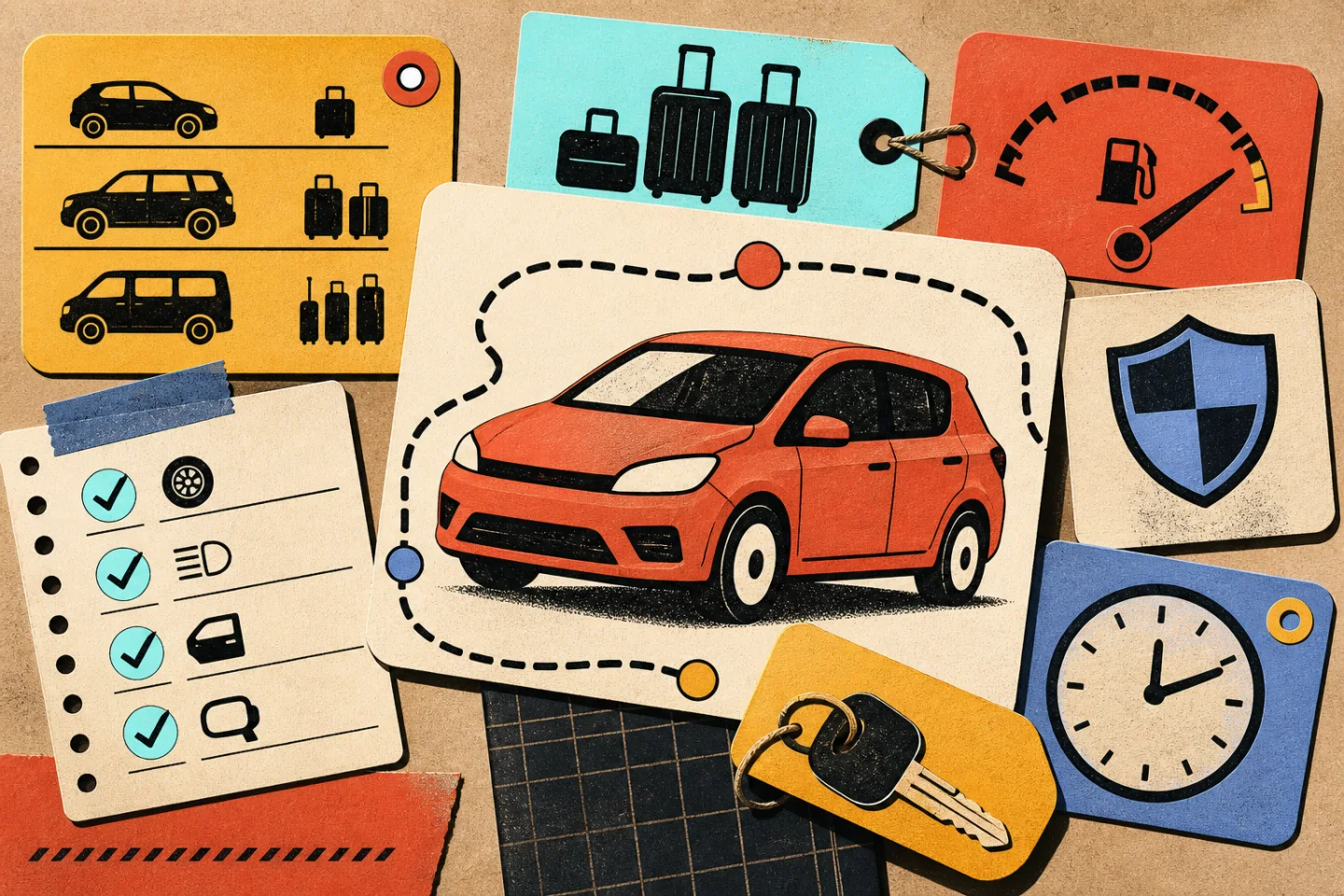
Hiring a vehicle can make a journey easier, but the lowest headline rate is rarely enough information on which to base a decision. The right choice depends on who will drive, how far they will travel, what they need to carry and where the vehicle will be returned.
Before booking, compare the complete terms as carefully as the vehicle itself. Mileage limits, fuel rules, deposits, insurance excesses and return arrangements can all affect the final cost. A few checks before collection also make disputes about condition or charges less likely.
Define the journey before choosing a vehicle
Start with the practical details: number of passengers, luggage, journey length, road conditions and parking. A compact car may suit a short city visit, while a people carrier can be more useful for a group with child seats and bags. A van may be appropriate for bulky loads, but the driver must be licensed and comfortable driving it.
Do not rely only on the stated number of seats. Using a third row can leave very little boot space, and a full passenger load may make a small car uncomfortable on a long journey. Count suitcases, pushchairs, mobility aids and sports equipment before selecting a category. If an item is unusually large, ask for the usable load dimensions rather than assuming it will fit.
Check the transmission type, fuel or charging requirements and any height or access restrictions on the route. An electric vehicle is practical only when suitable charging is available at realistic stops. A larger vehicle may provide more room, but it can be harder to park and may use more fuel. Choose for the whole journey, not only the collection point.
Compare the total cost and the terms
A useful comparison includes every compulsory charge and any extra that the trip genuinely requires. Review the base rate, taxes, mileage allowance, fuel policy, additional-driver charges, optional equipment and collection or return fees. Check whether changing the booking length or returning early alters the rate.
Read the cancellation and amendment rules before paying. Travel plans can shift, and a cheap but inflexible booking may become costly if the dates change. Confirm the collection and return times, branch opening hours and procedure for an out-of-hours return. Do not assume there is a grace period for delays.
Keep a copy of the price breakdown and booking confirmation. It should identify the vehicle category, rental period, included mileage, fuel arrangement and selected cover. At collection, compare the agreement with that confirmation and ask for an explanation of any new item before signing.
Check driver and payment requirements
Requirements vary by country, location and vehicle class, so verify them with the rental provider before travelling. The main driver will normally need a valid driving licence and suitable identification. A licence issued in another language or jurisdiction may need to be accompanied by an international driving permit. Such a permit supplements the original licence; it does not replace it.
Every person who may drive should be named on the agreement and meet the applicable age and licence conditions. Letting an unauthorised person drive can breach both the rental agreement and insurance conditions. Also check rules for crossing borders, using ferries, driving on unsealed roads or taking the vehicle into restricted areas.
Ask which payment methods are accepted for both the hire charge and the security deposit. The card may need to be in the main driver's name and have enough available funds for a temporary hold. Debit and prepaid cards can be treated differently. Confirm the requirement in advance rather than discovering it at the desk.
Understand insurance, waivers and excesses
Do not treat the word covered as a complete explanation. Establish what protection is included, the excess payable after damage or theft, and which events or parts of the vehicle are excluded. Windscreens, tyres, keys, the interior, the roof and the underside may be handled differently from body damage.
A personal motor policy or payment-card benefit may provide some rental protection, but its limits can depend on the country, vehicle type, rental duration and named drivers. Check the policy wording directly before declining cover at the desk. Consider whether it pays the rental company first or reimburses the renter later, and what documents a claim would require.
Ask how breakdown assistance works and which number to use. Insurance and roadside assistance are not the same: one concerns financial liability, while the other helps when the vehicle cannot be driven. Never arrange repairs, replacement parts or towing without following the provider's instructions unless immediate action is required for safety.
Inspect the vehicle at collection
Allow enough time for a careful inspection in good light. Walk around the vehicle and check the bodywork, glass, mirrors, wheels, tyres and lights. Inside, inspect the seats, dashboard, load area and supplied equipment. Compare every visible mark with the condition report and have missing damage added before departure.
Take clear photographs or video of each side, the interior, the mileage display and the fuel or battery level. Make sure the record shows the vehicle and its surroundings clearly. Keep the inspection report with the booking documents rather than relying on it remaining available through an app or account.
Before joining traffic, adjust the seat and mirrors and locate the lights, wipers, hazard switch, parking brake and fuel release. Check for warning lights and confirm that child seats or other reserved equipment are correctly fitted. Report a fault immediately instead of hoping it will clear during the journey.
Use the vehicle within the agreement
Follow local traffic laws, posted restrictions and the rental conditions. Carry the required licence, agreement and insurance documents. Confirm unfamiliar rules on tolls, parking, low-emission zones, winter equipment and child restraints before setting out. Penalties may reach the renter later with an additional administration charge allowed by the agreement.
Monitor fuel or battery range and plan stops with a margin for closures, queues or diversions. Use the specified fuel grade; putting the wrong fuel in a vehicle can cause serious damage. For an electric vehicle, return requirements may specify a minimum charge level, so leave enough time for charging near the return point.
If a collision occurs, stop safely, protect people from traffic and contact emergency services when anyone is injured or there is immediate danger. Follow local reporting rules and the rental provider's instructions. Record the scene, vehicles and damage where it is safe, exchange required details, and avoid private settlements or admissions about fault.
Return the vehicle with evidence
Review the return location, time and fuel or charge rule before the final day. Refuel or recharge as required, keep the receipt where relevant and remove personal belongings. Allow time for traffic and for finding the correct entrance; returning to the wrong branch can create both delay and recovery costs.
At the return point, photograph the vehicle, mileage, fuel or battery display and parking position. If staff are present, ask for an inspection and a receipt showing the return time and condition. For an approved unattended return, follow the key-drop instructions exactly and retain proof of when and where the vehicle was left.
Keep the agreement, photographs, receipts and return confirmation until the final charge and any held amount have been settled. If a charge is unclear, request an itemised explanation and compare it with the signed agreement and condition records.
Final booking checklist
- Match the vehicle to passengers, luggage, route and parking.
- Compare the full cost, mileage limit, fuel rule and return terms.
- Verify licences, identification, named drivers and payment method.
- Read the insurance exclusions and note the applicable excess.
- Record the vehicle's condition, mileage and fuel level at both ends.
- Keep confirmations, receipts and photographs until all charges are settled.