
Vacation rental journal
Eco Friendly Vacation Rentals

By Sophie Grant
An eco-friendly holiday rental should make it easier to use less energy and water, create less waste and respect the surrounding community. A few visible f
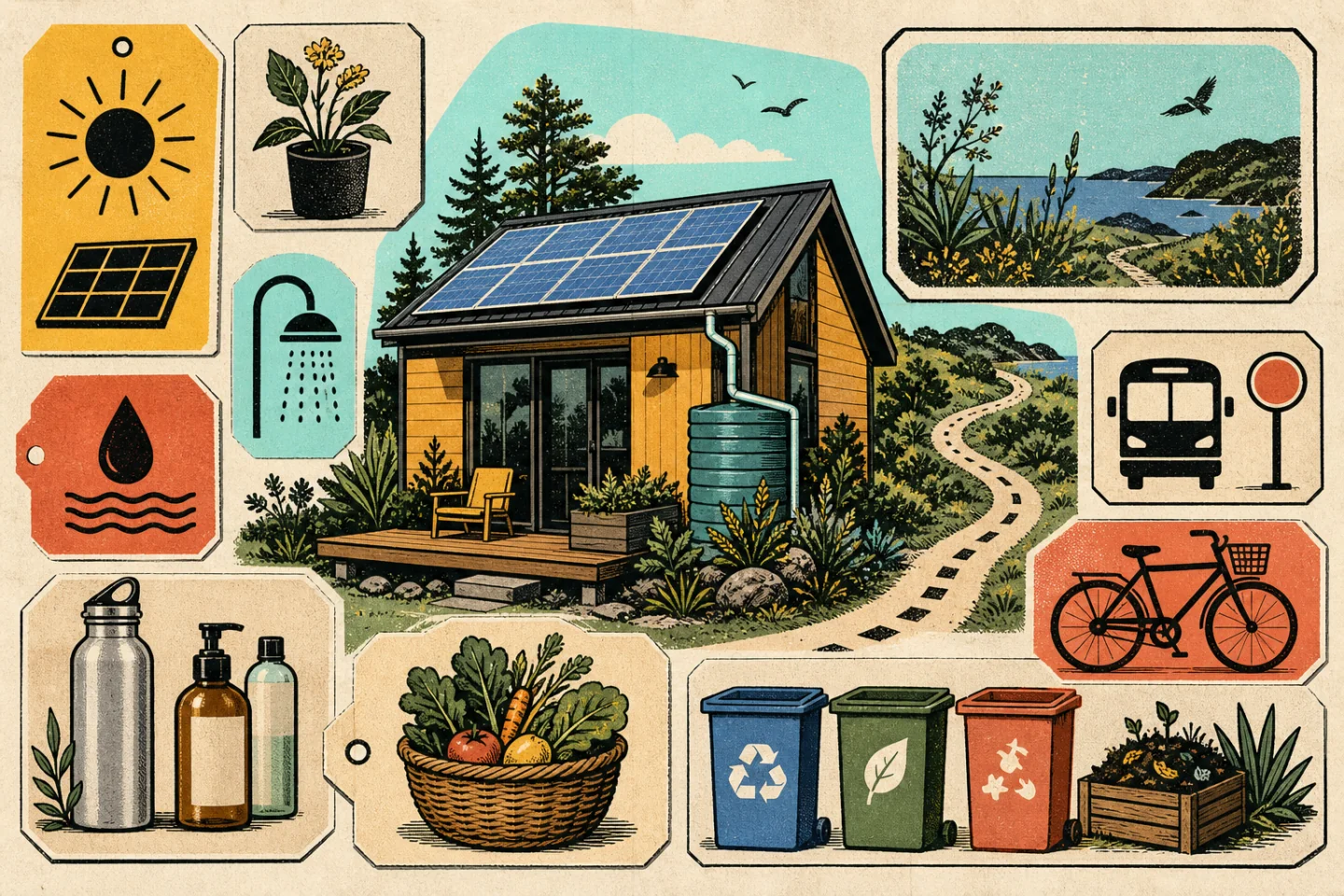
An eco-friendly holiday rental should make it easier to use less energy and water, create less waste and respect the surrounding community. A few visible features do not prove that a property is sustainable. Look instead at how the building operates, where it is located and whether the host explains its practices clearly.
This guide offers a practical way to compare rentals before booking and reduce your impact during a stay. The aim is not to find a property with no environmental footprint, but to choose one that addresses its main impacts honestly and gives guests useful ways to help.
Start with location and transport
Transport may shape much of a trip's impact, so consider the whole journey before focusing on details such as toiletries or recycling bins. Check whether you can reach the area by rail, coach or shared transport. Then look at how you will travel between the rental, food shops, attractions and walking routes.
A useful listing gives concrete information: the nearest stop, the walking route into town, secure cycle storage and any seasonal limits on local services. Verify distances on a map. Phrases such as close to everything can hide a steep walk, an unsafe road or a journey that still requires a car.
If driving is necessary, choose a location that limits repeated journeys. A rental near the places you plan to visit can be a better choice than a remote property with several minor green features. When comparing rural stays, ask whether food shopping and activities can be combined into fewer trips.
Check the setting as well as the map
A beautiful setting can also be a sensitive one. Dunes, wetlands, nesting areas, alpine ground and dry landscapes can be damaged by vehicles, fires, noise and people leaving marked paths. Read guidance from the relevant park, reserve or local authority before arrival, especially where access changes by season.
Responsible hosts explain parking limits, fire restrictions, waste rules and appropriate distances from wildlife. They should not encourage shortcuts, off-road driving or access to closed land. Guests can help by using marked paths, keeping animals under control where required and leaving natural materials where they find them.
Assess the property, not the labels
Terms such as green, natural and sustainable are useful only when the listing explains what they mean. Give more weight to specific features and operating practices than to leafy photographs, vague badges or a single headline claim.
Look for information across several areas:
- Energy: insulation, draught control, efficient heating and cooling, sensible controls, low-energy lighting and renewable electricity
- Water: low-flow fittings, prompt leak repair, appropriate irrigation and clear guidance in areas with limited supply
- Waste: labelled bins, accurate local sorting instructions, refillable supplies and durable kitchenware
- Materials: repairable appliances, long-lasting furniture and finishes suited to frequent use
- Transport: realistic public-transport information, cycle facilities and safe walking routes
Features need context. Solar panels do not reveal how much of the property's electricity they provide. Recycling bins achieve little when the instructions do not match the local collection system. Refillable dispensers are helpful, but they do not compensate for poor insulation, wasteful heating or unmanaged water use.
Use certification carefully
Independent certification can support a claim when it applies to the specific property and uses published criteria. Check what the assessment covers, whether verification is external and whether the status is current. Some schemes focus on building performance, while others consider day-to-day operations or community effects.
A logo alone is not enough. A host should be able to identify the standard and explain the relevant practices in plain language. A rental without certification may still operate responsibly, but its claims should be supported by equally clear evidence.
Ask focused questions before booking
When a listing is unclear, ask a short set of questions tied to the impacts that matter at that location. In a cold climate, heating and insulation deserve attention. In a dry region, water management may be more important. On an island or in a remote village, waste handling and transport may be the priority.
Useful questions include:
- How is the property heated or cooled, and can guests control the system?
- What can be recycled or composted locally, and where are the bins?
- Are toiletries and basic cleaning supplies provided in refillable containers?
- Can essential journeys be made safely without a car?
- What rules protect neighbours, water supplies, wildlife or nearby land?
Precise answers are more useful than enthusiastic promises. Be cautious when a host repeats broad claims, cannot explain a badge or presents one small measure as proof that the entire stay is environmentally harmless. No accommodation has zero impact.
Consider local people and services
A responsible rental fits its neighbourhood as well as its landscape. Clear limits on occupancy, noise, parking and shared spaces help reduce disruption. The property should follow local requirements and give guests enough information to behave considerately.
Look for recommendations that reflect the area rather than a generic visitor list. Nearby independent food shops, markets, repair services, guides and activity providers can keep more spending within the community and reduce unnecessary travel. Choose wildlife or outdoor activities that describe how groups, routes and animal encounters are managed.
Guests also have a role. Arrive and leave at reasonable times, follow waste and parking instructions, keep noise down and avoid treating residential areas as visitor-only spaces. If local water or access restrictions apply, follow them even when the property itself has not highlighted them.
Reduce energy and water during your stay
Read the property guide when you arrive. Heating, cooling, hot-water and ventilation systems vary, and guessing at the controls can waste energy or cause damage. Use moderate settings, close doors and windows while conditioned air is running, and turn off lights and equipment when they are not needed.
Use natural light and ventilation when conditions allow. Wash clothes only with a full load, reuse towels when practical and take shorter showers in places where water is scarce. Report leaks, running toilets or faulty controls promptly rather than attempting repairs yourself.
Efficiency should not come at the expense of safety. Follow instructions for stoves, heaters and ventilation, and never disable alarms or essential equipment. A responsible stay balances resource use with a healthy, comfortable indoor environment.
Plan food and waste
Check what the kitchen contains before shopping, then plan meals around the length of the stay. This reduces duplicate purchases and food left behind. Reusable bags, bottles and containers can limit disposable packaging, particularly where tap water is safe to drink and refill points are available.
Waste rules differ between places, so follow the instructions provided rather than relying on your system at home. Rinse or separate items only when asked. Use a food-waste or compost bin when one is available, and keep batteries, chemicals and other hazardous waste out of general rubbish.
Before leaving, use what you can and ask the host what to do with unopened food. Do not assume cleaners can use or donate it. Never pour cooking oil down a sink or flush wipes, medicines or other items that can damage plumbing and wastewater systems.
Advice for rental owners
Owners should begin with the building's largest and most frequent demands. Insulation, draught sealing, maintained heating and cooling, efficient hot-water systems and leak prevention usually matter throughout the year. Review utility use to spot unusual changes, then prioritise repairs before adding decorative green features.
When replacing an appliance or fitting, consider energy and water use, expected lifespan, repairability and suitability for repeated guest use. Provide durable crockery, cooking equipment and storage so guests do not need disposable alternatives. Use refillable supplies only where containers can be cleaned, maintained and labelled safely.
Make instructions easy to follow
Good guest guidance is brief, visible and specific. Label bins with the materials accepted locally. Explain heating controls beside the thermostat. State where guests can refill water, store bicycles or find the nearest transport stop. Instructions should help rather than shame people for ordinary use.
Describe environmental measures accurately in the listing. If renewable power covers only part of the property, say so. If a facility is seasonal or shared, make that clear. Update the wording when equipment, suppliers or certification changes, and avoid claiming that a rental is impact-free.
A simple final check
Before choosing a rental, review three things: how you will travel, how the property handles energy, water and waste, and how the stay affects its neighbours and setting. Prefer specific explanations over labels, and ask about any important gap.
Once there, follow local guidance, use the building as intended and report problems promptly. Thoughtful choices before and during a trip will not remove every impact, but they can reduce avoidable waste and support better-managed places to stay.
Plan the stay itself at www.kri.fi.